



 A leak hidden beneath your concrete slab rarely announces itself. There’s no dripping faucet to point at — just a warm spot on the floor, a water bill that keeps climbing, or the faint sound of running water when every fixture is off. By the time most homeowners notice, the leak has often been quietly working away for weeks. That’s why professional slab leak detection and repair San Diego matters: the sooner the source is pinpointed, the smaller the repair and the lower the risk to your foundation and flooring.
At HomePro Plumbing and Drains, we locate slab leaks using non-invasive equipment first, so we’re not guessing where to open concrete. Our technicians serve homeowners, residents, and commercial property owners across San Diego and the surrounding communities, and we focus on finding the real source — not just the symptom you noticed.
What Slab Leak Detection and Repair Actually Involves
A slab leak is a leak in the water lines running through or beneath the concrete foundation your home sits on. Because these pipes are sealed under the slab, you can’t see them, and small leaks can travel along the foundation before they surface anywhere noticeable.
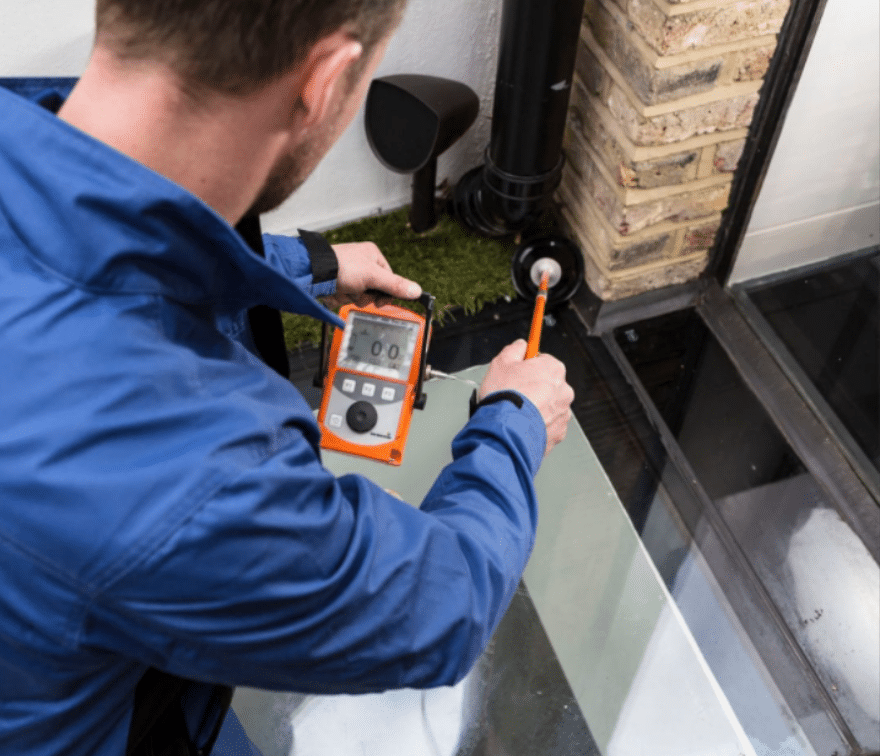
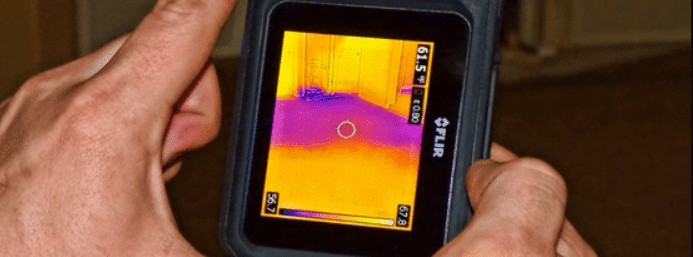
Detection is the process of locating that hidden leak as precisely as possible using listening equipment, pressure testing, and thermal or moisture readings — before any concrete is touched. Repair is how we stop it, whether that means accessing and fixing the affected section, rerouting a problem line, or recommending a larger repipe when the original plumbing has reached the end of its life. Getting the detection right is what keeps the repair targeted and affordable. Vague “guess and dig” approaches tend to cost far more and damage more of your home than necessary.
Why Slab Leak Detection and Repair Matters
Slab leaks don’t stay small. Water under pressure finds the path of least resistance, and a pinhole today can become a saturated foundation tomorrow. Left unaddressed, a slab leak can lead to several costly outcomes:
- Foundation movement and cracking. Persistent moisture under a slab can shift soil and stress the foundation, which is one of the most expensive problems a home can develop.
- Mold and poor air quality. Trapped moisture under flooring and inside walls creates conditions for mold growth, which can affect both the building and the people in it.
- Ruined flooring and baseboards. Warped hardwood, lifting tile, and damaged carpet padding often appear before the leak is even located.
- Sharply higher water bills. A continuous underground leak runs 24 hours a day. Many homeowners first suspect a slab leak because their bill jumped with no change in usage.
- Wasted water. In a region where water is a genuine resource concern, a hidden leak can quietly waste a remarkable amount over time.
Acting quickly tends to mean a smaller, cleaner repair. Waiting usually means more demolition, more drying, and more restoration. If your bill has spiked without explanation, our high water bill leak detection service is often the right first step toward an answer.
Common Problems Slab Leak Detection and Repair Solves
 Most people don’t call us saying “I have a slab leak.” They call describing a symptom. Here are the signs we investigate most often:
- A warm or hot spot on the floor. Frequently points to a leak in a hot water line under the slab.
- The sound of running water when nothing is on. A classic indicator of a pressurized line leaking underground.
- Unexplained spikes in your water bill. Steady, continuous loss with no lifestyle change.
- Low water pressure throughout the home. Water escaping under the slab can reduce pressure at your fixtures.
- Cracks in flooring, walls, or the foundation. Moisture-related movement that shows up over time.
- Damp, warped, or discolored flooring. Especially near the center of the home rather than around fixtures.
- A musty smell with no obvious source. Often the first hint of moisture trapped beneath the surface.
If you’re researching these symptoms to compare them against your own situation, our guide on how to tell if you have a slab leak walks through them in more detail. Not every warm spot or pressure dip is a slab leak — which is exactly why accurate detection comes first.
Our Slab Leak Detection and Repair Process
We follow a clear, step-by-step process so you know what’s happening at every stage:
Step 1 — Inspection and conversation. We start by listening to what you’ve noticed: the warm spot, the bill, the sound. We review the home’s plumbing layout and the most likely problem areas.
Step 2 — Non-invasive detection. Using acoustic listening equipment, pressure testing, and thermal or moisture readings, we narrow the leak to as small an area as possible. Our goal is to avoid opening concrete until we’re confident about the source. This is the same careful approach behind our dedicated slab leak detection service.
Step 3 — Clear findings and options. We explain what we found in plain language and lay out your repair options — a spot repair, a rerouted line, or a larger repipe if the plumbing is aging throughout. You get the trade-offs before any work begins.
Step 4 — The repair. Depending on the situation, we access and repair the affected line, reroute it, or recommend repiping. Where a single leak signals widespread pipe failure, a planned plumbing repipe often makes more sense than repeated patches.
Step 5 — Verification and cleanup. We confirm the leak is resolved, check pressure, and leave the area clean. If water damage occurred, our water damage restoration team can help bring things back to normal.
If your situation can’t wait, our emergency leak detection service is built for exactly that.
Why Choose HomePro Plumbing and Drains
When the problem is hidden under your foundation, who you call matters. Here’s what guides our work:
- Detection before demolition. We prioritize locating the leak accurately so repairs stay targeted, rather than opening concrete to go looking.
- Local, San Diego-focused experience. We work on local homes and commercial properties every week and understand the building styles and conditions common to this area.
- Straight answers. We explain what we find, what your options are, and what each one involves — no pressure, no jargon.
- Residential and commercial capability. From single-family homes to apartment buildings and commercial lots, we scale the right approach to the property.
- Full-service follow-through. From leak repair to repiping and water damage cleanup, we can handle the whole problem rather than handing you off.
Slab Leaks in San Diego: Local Relevance
San Diego’s housing stock and conditions make slab leaks a familiar problem here. Many homes across the region — from Mira Mesa and Clairemont to communities throughout the county — were built on concrete slabs, with copper supply lines running underneath. As those lines age, the combination of mineral content in the water and decades of constant pressure can lead to pinhole leaks and corrosion over time.
Soil movement plays a role too. Seasonal shifts between dry stretches and heavier rain periods can stress foundations and the pipes within them, and properties on hillside or graded lots can be especially prone to movement. Older neighborhoods with original copper plumbing tend to see slab issues sooner than newer construction.
We help property owners across San Diego and the nearby areas surrounding the city, including communities close to our Activity Road location in the 92126 area. Whether you own a single home, manage a rental, or oversee a commercial building, the underlying issue is the same: a hidden leak deserves accurate detection before anyone starts cutting concrete.
Cost, Timeline, and What to Expect
Every slab leak is different, so honest pricing depends on the specifics. The main factors that affect cost and timeline include:
- How accessible the leak is — a line near the perimeter is usually easier to reach than one near the center of the home.
- The repair method — a spot repair, a rerouted line, and a full repipe each involve different scopes of work.
- The condition of the surrounding plumbing — if the rest of the system is failing, repiping may be more cost-effective than repeated repairs.
- Whether water damage occurred — saturated flooring or drywall may require drying and restoration.
- Property type and size — commercial buildings and multi-unit properties involve different planning than a single home.
Because of these variables, we don’t quote a one-size-fits-all number. Detection generally comes first and is relatively quick; the repair timeline depends on the method chosen. For a sense of the factors that move pricing up or down, our overview of slab leak detection pricing is a helpful starting point. The most reliable path to a real number is an on-site assessment.
Think you might have a slab leak? Don’t wait for the damage to spread.
The longer a hidden leak runs, the more it costs to fix. HomePro Plumbing and Drains will locate the source with non-invasive detection first, explain exactly what we find, and handle the repair the right way — for homes and commercial properties across San Diego.
Reach out today to schedule your slab leak detection and repair San Diego and get a clear, honest assessment of your property.
Frequently Asked Questions
What are the first signs of a slab leak in a San Diego home?
What are the first signs of a slab leak in a San Diego home?
The most common early signs are a warm or damp spot on the floor, the sound of running water when nothing is on, an unexplained jump in your water bill, and a drop in water pressure. You might also notice cracks in flooring or walls, or a musty smell. Because these symptoms overlap with other plumbing issues, professional detection is the only way to confirm a slab leak before any concrete is opened.
How do plumbers detect a slab leak without breaking the floor?
How do plumbers detect a slab leak without breaking the floor?
We use non-invasive tools first — acoustic listening equipment that hears water escaping under pressure, pressure testing to confirm a leak exists, and thermal or moisture readings to narrow the location. This lets us pinpoint the leak to a small area before touching concrete, which keeps the repair targeted and reduces unnecessary damage to your floors and foundation.
Is a slab leak an emergency?
Is a slab leak an emergency?
It can be. A slab leak runs continuously and can damage flooring, foundation, and indoor air quality the longer it goes. If you’re seeing rapid flooring damage, a sudden water bill spike, or pooling water, it should be treated urgently. We offer emergency leak detection for situations that can’t wait, and even non-urgent slab leaks are best addressed promptly to keep the repair small.
How much does slab leak detection and repair cost in San Diego?
How much does slab leak detection and repair cost in San Diego?
Cost depends on how accessible the leak is, the repair method (spot repair, rerouting, or repiping), the condition of the surrounding plumbing, and whether water damage occurred. Because every situation differs, an honest estimate requires an on-site assessment rather than a flat quote. Detection is usually quick; the repair scope is what most affects the final number.
Can a slab leak be repaired without repiping the whole house?
Can a slab leak be repaired without repiping the whole house?
Often, yes. A single, accessible leak can frequently be handled with a spot repair or by rerouting that section of line. Repiping is recommended when the leak is a symptom of plumbing that’s failing throughout the home — common in older houses with original copper. We explain both options after detection so you can decide based on the condition of your system.
Why is my water bill suddenly high with no change in usage?
Why is my water bill suddenly high with no change in usage?
A continuous hidden leak is one of the most common causes. Because a slab leak runs around the clock, it can add significant volume to your bill without any change in how you use water. A high-water-bill investigation can confirm whether a slab leak — or another hidden leak — is the cause before it does more damage.
Do older San Diego homes get slab leaks more often?
Do older San Diego homes get slab leaks more often?
Generally, yes. Many older local homes were built on slabs with copper supply lines that corrode over decades of constant pressure and mineral exposure. Soil movement between dry and rainy periods adds stress. Newer homes aren’t immune, but aging copper plumbing is one of the most common reasons slab leaks appear in established neighborhoods.