Adjust
Test & adjust
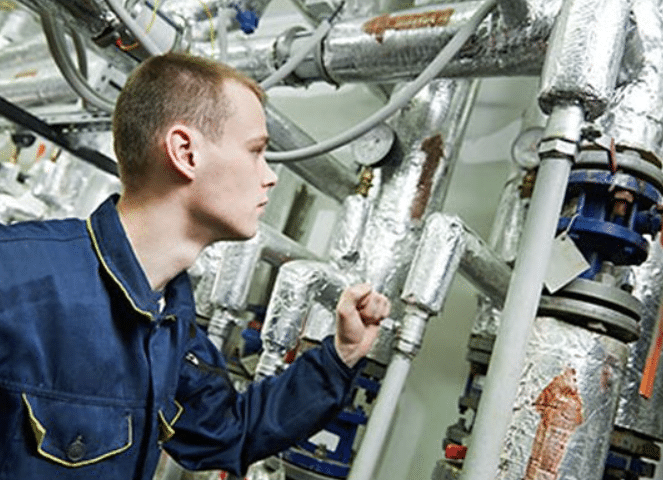
An existing valve that still works but is set too high or too low is adjusted and re-tested.
- Gauge test
- Valve adjustment
- Re-test
Best forWorking valves set to the wrong pressure.

Pressure reducing valves · San Diego County
Testing, installing and replacing pressure reducing valves for businesses and commercial buildings — bringing incoming water pressure down to a safe level before it wears out pipes, fixtures and equipment.
Tell us what plumbing problem you’re dealing with — banging pipes, leaks, running toilets, a failing water heater — and the type of building.
Water moving right now? Call (858) 251-7070
The short answer
A pressure reducing valve (PRV) is installed on the main water line next to the shut-off valve and lowers the pressure of the incoming water supply to a safe level. Water passes between a spring and a diaphragm, which creates resistance and reduces the pressure as it leaves the valve. HomePro Plumbing & Drains tests, installs, adjusts and replaces PRVs for businesses and commercial buildings across San Diego County.
Too much pressure can rupture pipes and cause leaks at the joints where pipe sections connect; too little and water flows slowly and may not reach fixtures properly. High pressure also wastes water and wears out water heaters, appliances, toilets and faucets — so a correctly set PRV protects the whole building and extends the life of its equipment.
PRVs are not permanent. If yours is around ten years old or more, it is worth having it checked. For homes, see water pressure regulators.
Signs of a pressure problem
Toilets that keep running, wasting water every day.
Faucets and shower heads that drip or wear out early.
Small leaks where pipe sections connect.
Relief valve discharge or leaks as water expands during heating.
Dishwashers, washers and equipment failing sooner than they should.
Pressure that swings between too high and too low.
Not sure what your pressure is? A gauge test at a hose bib gives a quick reading — or ask HomePro to test it.

How PRV service works
A gauge reading confirms whether incoming pressure is too high, too low or swinging.
Find out whether the existing PRV can be adjusted or has failed.
Adjustment, repair or replacement explained, with a free estimate.
The PRV is installed on the main line or adjusted to a safe setting for the building.
Pressure is checked again so it is safely below 80 PSI and suits the fixtures.
What you may need
Adjust
An existing valve that still works but is set too high or too low is adjusted and re-tested.
Best forWorking valves set to the wrong pressure.
Replace
A worn or failed valve is replaced on the main line so pressure is controlled again.
Best forValves around ten years old or more.
Install
A PRV is installed on the main line where the building has high incoming pressure and no valve.
Best forBuildings with high pressure and no PRV.
In more detail
With high pressure, there may not be enough room for the hot water that expands during heating cycles. That can cause leaks or, worse, a burst tank — and flooding, damp drywall and insulation, and mold.
A pressure reducing valve shields dishwashers, washing machines and other equipment from high pressure, controls the flow of water into the building, and puts less strain on them — helping prevent unexpected leaks and damage.
High pressure keeps toilets running, wasting water every year, and damages shower heads, faucets and flushing parts that were not designed to withstand it.
Pipe joints are especially vulnerable to the constant stress of high pressure. Small leaks can go undetected for a long time inside walls or under floors, where they cause serious damage before anyone notices.
A pressure gauge that screws onto an outside spigot gives a quick reading; they are sold at most hardware stores. Smart water monitors can also track pressure and flag leaks — see smart water shut-off systems.
HomePro’s guide 5 tips to install a pressure reducing valve covers more of what to know before a PRV is installed.
Why HomePro
Plumbing is day-to-day work for HomePro’s experienced plumbers, and the goal is always a system that works correctly. HomePro Plumbing & Drains is a family-owned San Diego plumbing company — licensed, bonded and insured — that explains the problem honestly, gives you the price before work begins, and backs the job with a one-year warranty.
A correctly set PRV extends the life of the building’s appliances and plumbing fixtures and helps avoid costly repairs later.
HomePro at a glance
When to call a plumber
Call (858) 251-7070 — the phone is always faster than a form for anything active.
Use the service request form or schedule service — estimates are free.
Google reviews


Reviews from HomePro’s Google Business Profile. See all reviews on Google
Related services

Pipes & lines
Pressure regulators installed, adjusted and replaced to protect pipes and fixtures.
Pressure regulators →
Commercial
Automatic shut-off valves that stop the water when a leak is detected.
Smart water shut-off →
Commercial
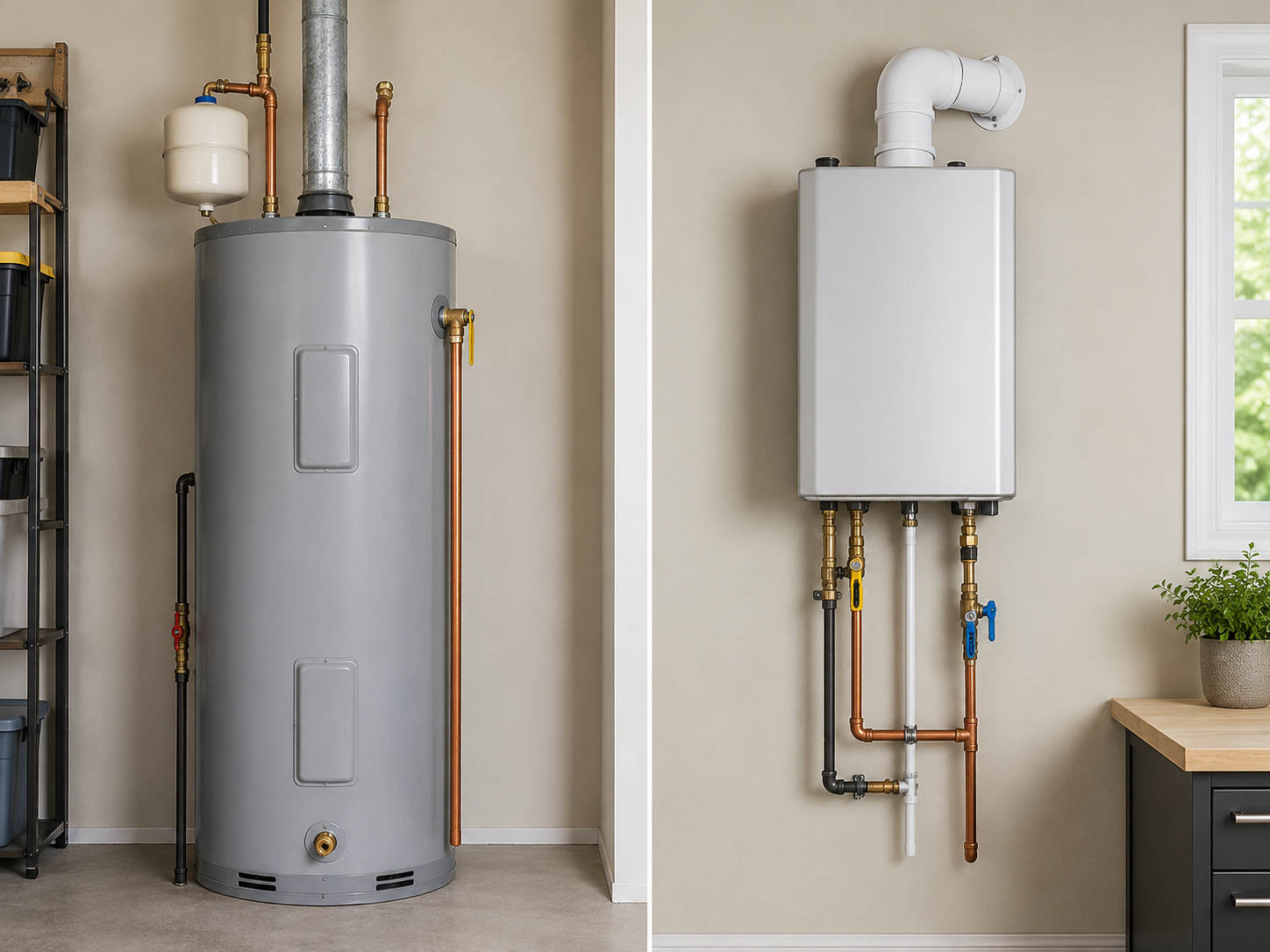
Commercial water heater repair, replacement and installation.
Commercial water heaters →
Commercial
Leak detection for commercial buildings, multi-unit properties and businesses.
Commercial leak detection →
Commercial
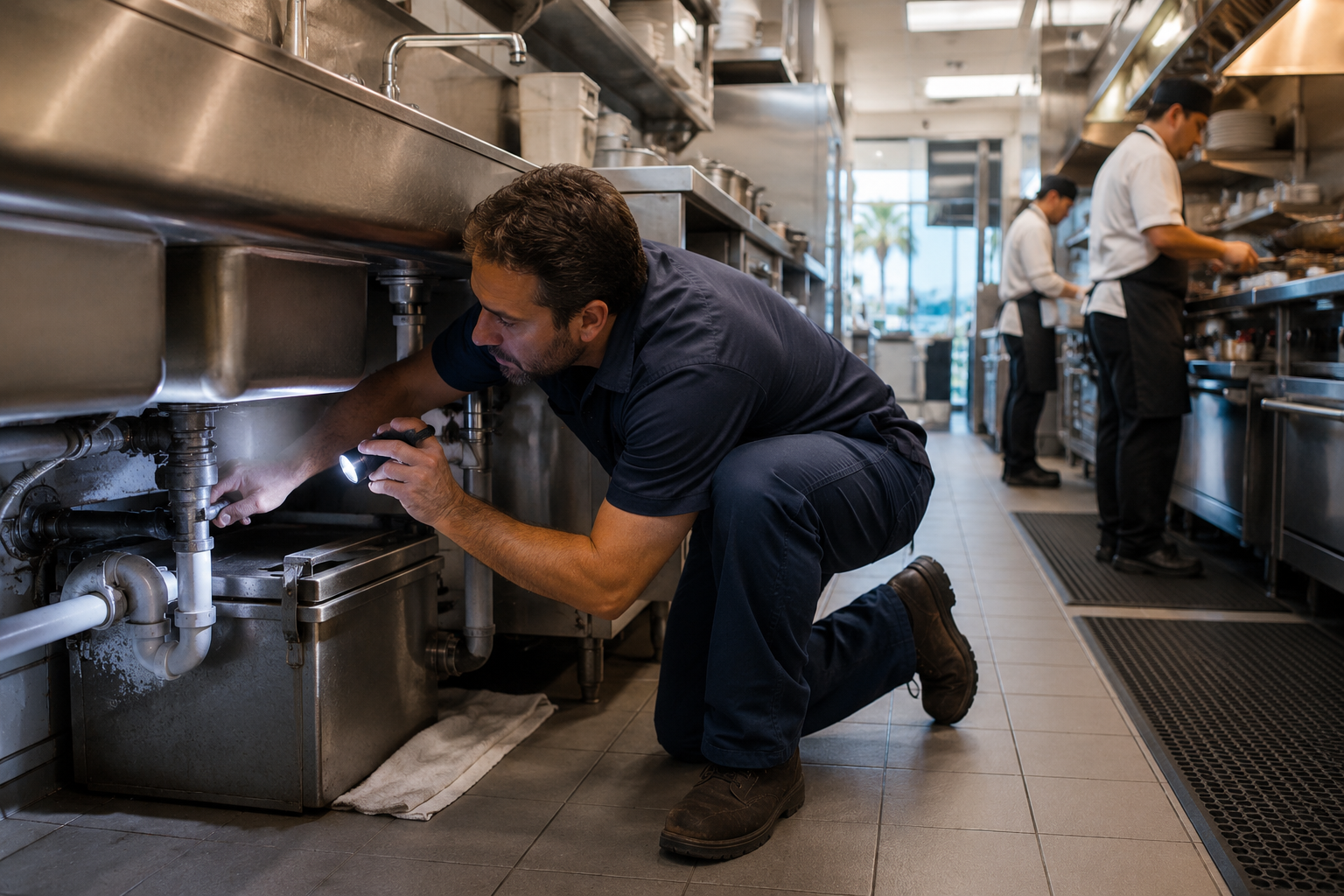
Plumbing for restaurants, offices, retail and multi-unit buildings across San Diego.
Commercial plumbing →
Pipes & lines
Backflow prevention devices installed, tested and repaired to protect your water supply.
Backflow devices →Service area
HomePro tests, installs and replaces pressure reducing valves for businesses throughout San Diego County from its shop at 8910 Activity Rd Suite C, San Diego, CA 92126.
Not sure we cover you? Call (858) 251-7070.
PRV questions
Straight answers to what San Diego customers ask before booking.
A valve on the main water line, next to the shut-off valve, that lowers the incoming water pressure to a safe level using a spring and diaphragm.
Above 80 PSI is considered unsafe. HomePro sets the valve to a safe level below that, suited to the building and its fixtures. For homes, see water pressure regulators.
They are not permanent. If yours is around ten years old or more, it is worth having it tested and, if needed, replaced.
Running toilets, dripping faucets, leaks at pipe joints, water heater leaks from thermal expansion, worn-out appliances, and higher water use.
Screw a pressure gauge onto an outside spigot for a quick reading, or ask HomePro to test it.
Call (858) 251-7070 or use the form at the top of this page. Estimates are free.
Request service
Tell us what you are noticing and the type of building. HomePro will follow up to test the pressure and explain the options.
Prefer to write it down? Use the service request form at the top of this page.