
- Home
- Leak Detection
- Thermal Imaging Leak Detection
Thermal imaging · San Diego County
Thermal Imaging Leak Detection in San Diego
Thermal cameras see the temperature differences water creates — cool, wet drywall and warm hot-water lines — so leaks can be located without destructive digging.
- ✓Family owned & operated
- ✓Licensed, bonded & insured
- ✓Free estimates
- ✓1-year warranty on our work
Request thermal imaging leak detection
Tell us what plumbing problem you’re dealing with — stains, warm spots on the floor, damp walls — and where they are.
Water moving right now? Call (858) 251-7070
The short answer
How does thermal imaging find leaks?
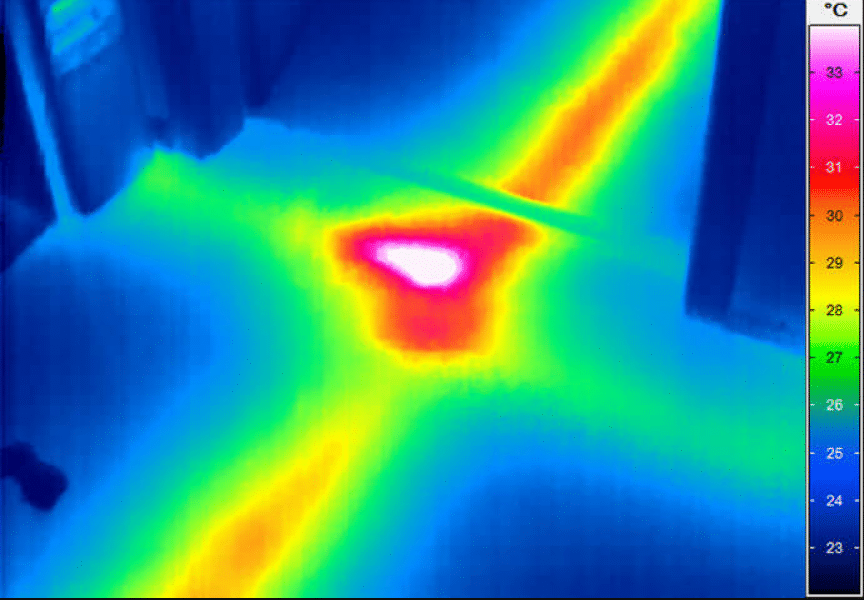
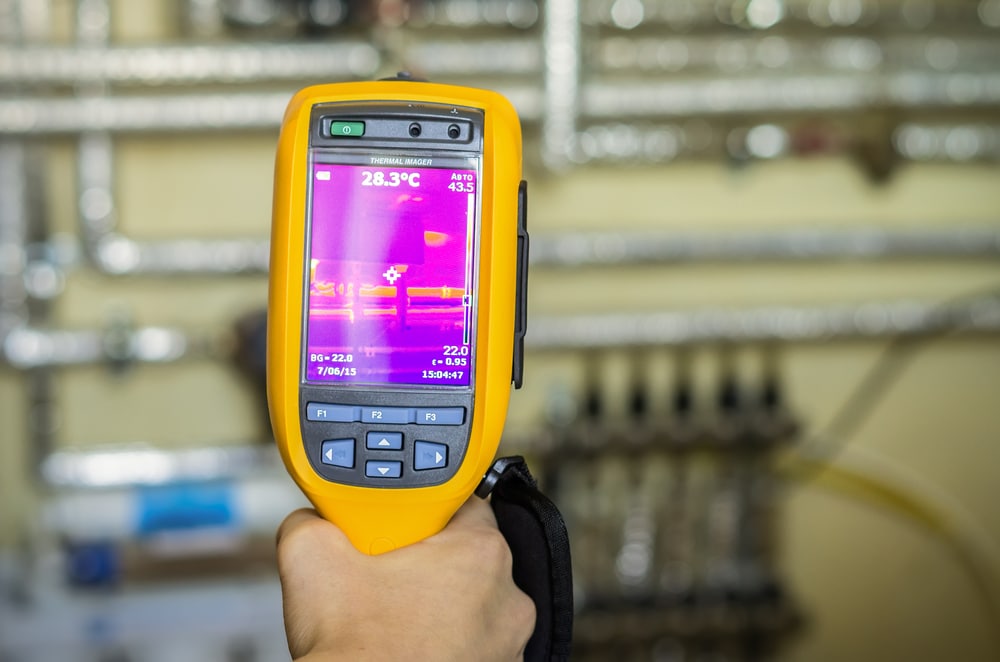
Thermal imaging cameras read the surface temperature of building materials. Water changes those temperatures — wet walls and ceilings show up cooler than the dry material around them, and a leaking hot-water line under a floor shows up as a warm streak. HomePro Plumbing & Drains uses thermal imaging in homes and businesses across San Diego County to locate leaks and water intrusion behind walls, ceilings and floors without cutting into them to look.
Temperature differences like these are invisible to the eye, which is why a leak can go unnoticed until the damage shows. A thermal scan narrows down where the water is, so the repair can be targeted.
Thermal imaging is one of the tools used in infrared leak detection and moisture detection. A warm streak under a slab floor points to a slab leak.
What the images can reveal
- Wet drywall and ceilings
- Hot-water line leaks under floors
- Slab leak areas
- Water intrusion from outside
- Wet insulation
- Areas still wet after drying
When thermal imaging helps
Problems thermal imaging is good at.
Warm spot on the floor
Often a hot-water line leaking under the slab.
Ceiling stain
Finding how far the wet area goes beyond the stain.
Damp wall, no visible pipe
Tracing water inside a wall cavity.
Leak behind tile
Showers and backsplashes you do not want removed.
Checking drying
Confirming materials are dry after water damage.
Intrusion after rain
Water coming in through roofs, windows or siding.
A thermal image shows where materials are wet or warm; the source is then confirmed before any repair.

How a thermal scan works
Scan, read, confirm.
- 1
Scan walls, ceilings and floors
The camera shows surface temperatures across the area.
- 2
Read the pattern
Cooler areas often mean wet materials; warm streaks can mean a hot-water leak.
- 3
Confirm the source
The finding is confirmed before anything is opened.
- 4
Explain and price
The full cost of the repair is known before work starts.
- 5
Re-scan after repair
The area is checked again to confirm it is drying.
In more detail
Reading a thermal image.
Why wet areas look different
Thermal imaging measures how hot or cold the surface of a material is. Leaks leave walls and ceilings wet, and wet areas appear in a different color from the dry drywall and ceiling around them — typically a deep purple.
Hot-water leaks under the floor
A leak in a hot-water pipe under the floor shows up as a bright yellow, warm area — a strong indicator of a slab leak location. See slab leak repair.
Confirming that an area is dry
After a flood or water damage, thermal imaging shows whether an area has completely dried — useful before walls are closed up or flooring is replaced.
Where water intrusion comes from
Water can get into homes and commercial buildings through faulty construction, siding and window problems, caulking failures and inferior materials, as well as plumbing leaks. These problems often hide behind walls until damage appears.
Why HomePro
Targeted repairs, less damage.
HomePro Plumbing & Drains is a family-owned San Diego plumbing company — licensed, bonded and insured. We find the leak before anything is opened up, explain what we found and how to fix it in the most efficient and least intrusive way, and give you the full cost of the repair before work starts — so there are no unexpected charges.
- ✓Family owned and operated
- ✓Licensed, bonded and insured
- ✓Non-invasive detection before anything is opened
- ✓Free estimates before work begins
- ✓One-year warranty on all of our work
- ✓Financing options available
HomePro at a glance
locally
our work
work begins
coverage
When to call a plumber
Active leak, or a hidden one?
Call right away if
- Water is actively leaking or pooling
- A pipe has burst — close the main shut-off valve if it is safe
- Water is near electrical outlets
Call (858) 251-7070 — the phone is always faster than a form for anything active.
Book a thermal scan if
- You have a warm spot on the floor
- A stain keeps growing
- You suspect a leak behind tile or cabinets
- You want to confirm drying after water damage
Use the service request form or schedule service — estimates are free.
Google reviews
What customers say after a HomePro visit.


Reviews from HomePro’s Google Business Profile. See all reviews on Google
Related services
Related leak detection services.

Leaks
Infrared Leak Detection
Infrared cameras spot hidden wet areas without cutting into walls or floors.
Infrared detection →
Leaks
Moisture Detection
Measuring how far water has spread into floors, walls and building materials.
Moisture detection →
Leaks
Slab Leak Repair
Leaks in lines under the concrete slab located and repaired — spot repair, reroute or repipe.
Slab leak repair →
Leaks
Mystery Leak Detection
For leaks nobody can trace — water showing up with no obvious source.
Mystery leaks →
Leaks
Leak Detection
Hidden leaks under slabs, behind walls and in ceilings located before anything gets opened up.
Leak detection →
Leaks
Leak Repair
Once the leak is found, the damaged pipe or fitting is repaired properly.
Leak repair →Service area
Thermal imaging leak detection across San Diego County.
HomePro Plumbing & Drains provides thermal imaging leak detection for homes and businesses throughout San Diego County from its shop at 8910 Activity Rd Suite C, San Diego, CA 92126.
- University City →
- North Clairemont →
- Tierrasanta →
- Pacific Beach →
- Allied Gardens →
- La Mesa →
- Mission Beach →
- Chula Vista →
Not sure we cover you? Call (858) 251-7070.
Thermal imaging questions
Thermal imaging, answered.
Straight answers to what San Diego customers ask before booking.
How does thermal imaging detect leaks?
It reads surface temperatures. Wet materials usually show cooler than dry ones, and a leaking hot-water line shows as a warm area.
Can thermal imaging find a slab leak?
It can point to one: a leaking hot-water line under the floor shows as a bright, warm area. See slab leak repair.
Does a thermal scan damage anything?
No. The camera reads temperatures from a distance — nothing is cut or removed to look.
What color are wet areas on a thermal image?
Wet walls and ceilings typically show as a different color from dry drywall — often deep purple — while hot-water leaks show bright yellow.
Can thermal imaging check whether my walls are dry?
Yes. It is used after a flood or water damage to see whether an area has completely dried.
How do I schedule a thermal scan?
Call (858) 251-7070 or use the form at the top of this page. Estimates are free.
Request service
Want to see where
the water is?
Tell us what you are noticing and where. HomePro will follow up to arrange a thermal scan and a free estimate.
- Phone(858) 251-7070
- Emailinfo@homeproplumbingsd.com
- Shop8910 Activity Rd Suite C
San Diego, CA 92126 - Backed byFree estimates · One-year warranty on our work · Financing options available
Prefer to write it down? Use the service request form at the top of this page.
