



What Are the Signs You Need a Sewer Camera Inspection?
Executive Summary
Repeated, multi-fixture drainage problems—especially when paired with gurgling, persistent odors, or recurring backups—are strong indicators that the issue is in the main sewer line and warrants a camera inspection. A sewer camera inspection removes guesswork by confirming the exact cause and location (roots, buildup, pipe damage, or bellies) so the right fix can be chosen.
Key Takeaways
- Recurring or Multi-Fixture Symptoms Signal a Main-Line Issue: Slow drains or backups affecting more than one fixture usually point beyond a simple localized clog.
- Repeat Clogs After Snaking Often Mean an Underlying Defect: If problems return quickly after clearing, a camera can reveal roots, heavy buildup, scale, or broken/offset pipe sections that snaking doesn’t resolve.
- Gurgling, Bubbling, and Persistent Sewage Odors Are Actionable Clues: These symptoms commonly align with partial blockages, standing waste in a belly, or damaged pipe conditions that a camera can verify.
- Lowest-Drain Backups (Especially After Rain) Are a High-Priority Warning: Wastewater coming up through basement or lowest-level drains often indicates a main sewer restriction, root intrusion, collapse risk, or storm-aggravated inflow issues.
- Camera Findings Direct the Correct Repair Path: Inspection results determine whether cleaning/jetting is sufficient or whether targeted repair, lining, or slope correction is needed—preventing repeated spending on temporary fixes.
You likely need a sewer camera inspection when you have repeated clogs, slow drains in more than one fixture, sewage odors, or backups that keep coming back after plunging or snaking. If you’re wondering how to know if a sewer camera inspection is needed, pay attention to patterns—like your shower and toilet both draining slowly, your kitchen sink gurgling when the washer runs, or sewage backing up in a basement drain after heavy rain. These are common signs of a blockage, damaged pipe, or root intrusion that can’t be confirmed from the surface. A camera inspection helps pinpoint the exact location and cause, so you’re not guessing or paying for the wrong fix.
What a Sewer Camera Inspection Actually Does (and Doesn’t Do)
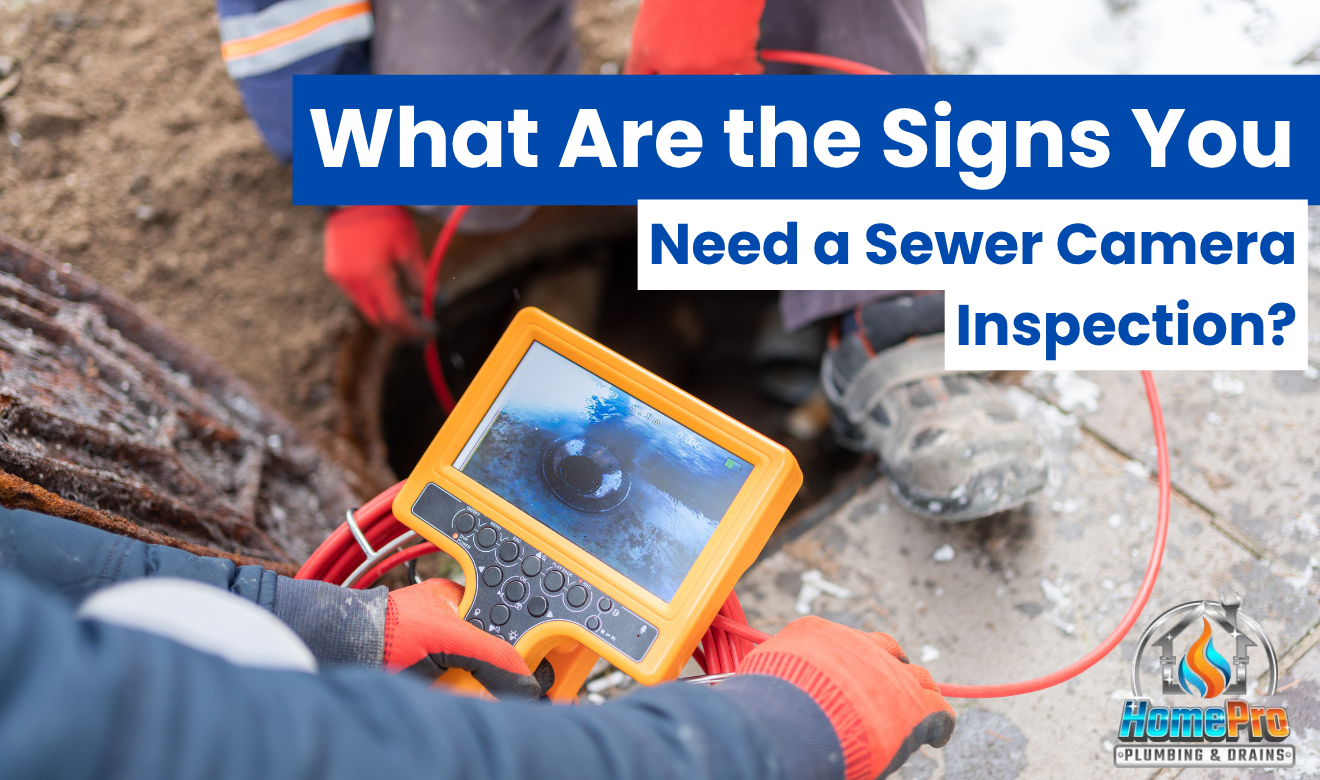
If you’re trying to figure out how to know if a sewer camera inspection is needed, it helps to understand what the tool is designed for. A sewer camera inspection uses a waterproof, lighted camera pushed through your drain or cleanout to view the inside of the pipe in real time.
What it can confirm:
- Root intrusion (fine roots, heavy root masses, repeat root “webbing”)
- Grease buildup, scale, sludge, and “bellies” holding water
- Cracked, offset, corroded, or collapsed sections of pipe
- Foreign objects and recurring obstructions (wipes, toys, construction debris)
- Where a blockage starts and ends—often measured with a locator
What it usually can’t confirm by itself:
- Whether a pipe is leaking at a hairline crack (some leaks require separate diagnostics)
- Exact repair cost without knowing access, depth, and local conditions
- Condition of every branch line unless each is specifically inspected
In other words, the inspection is a “look inside” that removes the guesswork—one of the clearest ways to answer how to know if a sewer camera inspection is needed before you keep paying for temporary fixes.
How to Know if a Sewer Camera Inspection Is Needed: The Most Reliable Signs
Homeowners often ask how to know if a sewer camera inspection is needed because the symptoms can look like “just a clog.” The key difference is repeatability and how many fixtures are affected.
1) Multiple fixtures drain slowly at the same time
If more than one fixture is slow—like a shower and toilet—your issue is more likely in the main line, not a single trap. This is one of the strongest indicators for how to know if a sewer camera inspection is needed.
2) Backups return shortly after snaking
A basic snake can poke a hole through soft buildup, but it may not remove:
- Tree roots
- Heavy grease layers
- Scale in older cast iron
- Broken pipe edges catching debris
If you’re clearing the line and the problem comes back in days or weeks, that’s a practical “yes” to how to know if a sewer camera inspection is needed.
3) Gurgling, siphoning, or bubbling drains
Gurgling often happens when air can’t move properly through the drain system due to partial blockage or poor venting. When gurgling lines up with slow drainage or odors, it’s another clue for how to know if a sewer camera inspection is needed.
4) Sewage odors that persist indoors or near a cleanout
Odors can come from dried traps—but persistent sewage smell can also point to buildup, a belly, or damage that holds waste. A camera inspection can show what’s sitting in the pipe and where.
5) Basement or lowest-drain backups (especially after rain)
If sewage comes up at the lowest drain (basement shower, floor drain, lower-level toilet), you may be dealing with:
- Main sewer blockage
- Root intrusion
- Pipe collapse
- Inflow/infiltration issues aggravated by storms
This “lowest point” backup is a classic answer to how to know if a sewer camera inspection is needed because it often indicates the main line is overwhelmed.
Why These Problems Happen (Common Causes the Camera Finds)
Knowing how to know if a sewer camera inspection is needed also means knowing what typically goes wrong underground—where you can’t see it.
Root intrusion is extremely common
Roots naturally seek moisture and nutrients. Even small openings at joints can invite root growth that gradually traps waste. According to the U.S. Environmental Protection Agency, sanitary sewer overflows can be caused by blockages that include tree roots, grease, and debris, among other factors—issues that a camera inspection is built to identify.
Grease, wipes, and “non-flushables” create recurring obstructions
Even products labeled “flushable” can contribute to clogs, especially when combined with grease. A camera helps confirm whether you’re dealing with a one-time obstruction or a chronic buildup.
Older pipe materials develop scale, corrosion, offsets, and bellies
Cast iron can roughen internally over time, catching paper and solids. Clay pipes can shift at joints. Orangeburg (found in some older homes) can deform. These conditions are exactly why people search how to know if a sewer camera inspection is needed—the symptoms repeat until the underlying defect is found.
What to Expect During a Sewer Camera Inspection
If you’ve decided how to know if a sewer camera inspection is needed applies to your situation, here’s what the process typically looks like.
Step-by-step overview
- Access point selection: The technician enters through a cleanout or an appropriate drain opening.
- Camera run: The camera is advanced while the operator watches live footage for blockages/damage.
- Location marking: Many setups use a locator to pinpoint the camera head from the surface.
- Documentation: Findings are explained and often recorded for review.
- Next-step recommendations: Options may include cleaning, jetting, spot repair, or trenchless repair.
What you should ask while the camera is in the line
- Is the issue structural (broken/offset) or maintenance (buildup)?
- How far from the cleanout is the problem?
- Is there evidence of recurring root entry at a joint?
- Do you see standing water (a belly) anywhere?
- Is the pipe material identifiable (cast iron, clay, ABS, etc.)?
These questions keep the inspection focused on actionable answers—exactly what someone wants when searching how to know if a sewer camera inspection is needed.
Cost: What Affects the Price and When It’s Worth It
People researching how to know if a sewer camera inspection is needed often want to know if it’s worth paying for “just a look.” It often is—because it can prevent paying repeatedly for the wrong solution.
Factors that commonly affect cost
- Access: Easy cleanout access typically costs less than pulling a toilet to access a line.
- Line length and complexity: Longer runs and multiple branches take more time.
- Blockage severity: Heavy blockage may require clearing before the camera can pass.
- Documentation level: Video recording, written reports, and line locating can add value.
When the inspection pays for itself
- You’ve paid for more than one drain clearing in a short period
- You suspect roots or a broken line but can’t confirm
- You’re considering major work and want proof before authorizing repairs
- You’re buying/selling a home and want to reduce surprises
How a Camera Inspection Guides the Right Fix (Not Just “Another Snake”)
Once you confirm how to know if a sewer camera inspection is needed applies to you, the next question is: what do you do with the results?
Typical findings → typical solutions
| Camera finding | What it usually means | Common next step |
|---|---|---|
| Grease/sludge buildup | Soft restriction that re-forms over time | Professional cleaning; sometimes jetting |
| Roots entering at joints | Recurring clogs; root regrowth likely | Root removal + plan for repair/lining |
| Offset joint / cracked pipe | Debris snag point; may worsen | Spot repair or trenchless repair |
| Standing water (belly) | Pipe grade issue; solids settle | Repair to re-establish proper slope |
If the camera shows heavy buildup, a high-powered cleaning method may be recommended. For example, Hydrojet Plumbing can scour pipe walls more thoroughly than a basic cable in many situations (when the pipe condition is suitable). The point is: the camera tells you which tool fits the problem.
How to Know if a Sewer Camera Inspection Is Needed vs. Simple Drain Cleaning
It’s not always obvious whether you should start with a cleaning or go straight to the camera. Use this quick comparison if you’re still deciding how to know if a sewer camera inspection is needed.
Start with cleaning when:
- Only one fixture is affected
- This is the first clog in a long time
- You have no sewage odors or backups
Go to camera inspection when:
- Two or more fixtures are slow or backing up
- The clog returns after snaking
- There are sewage odors, gurgling, or lowest-point backups
- You suspect roots, collapse, or old pipe deterioration
This decision tree is a practical way to answer how to know if a sewer camera inspection is needed without overreacting to a one-off clog.
Why Timing Matters: Risks of Waiting Too Long
When people delay after the warning signs, the damage can escalate. If you already recognize how to know if a sewer camera inspection is needed, acting sooner can reduce the odds of a messy emergency.
What can happen if a main line problem worsens
- More frequent backups (and higher cleanup costs)
- Water damage to flooring/drywall if wastewater overflows indoors
- Soil erosion near a damaged line (depending on leak location)
- Increased chance of a collapse that requires more extensive repair
For a deeper explanation of why backups can appear “out of nowhere,” see why sewer lines back up unexpectedly.
Real-World Examples: What the Camera Often Reveals
Examples help make how to know if a sewer camera inspection is needed feel less abstract. Here are common real-world patterns technicians routinely see.
Example 1: “We snake it every month” → roots at one joint
A home with monthly clogs may have a single joint where roots repeatedly enter. Snaking restores flow temporarily, but the camera typically shows the root entry point. Once identified, the fix can shift from repeated cleanings to targeted repair or lining.
Example 2: “Only after big rains” → partial blockage + overwhelmed system
Some homes experience backups only during heavy rain. A camera inspection may reveal a partially restricted line that functions under normal flow, but can’t handle surges—making it clear how to know if a sewer camera inspection is needed even when the problem seems “weather-related.”
Example 3: “It smells, but nothing is backing up” → standing waste in a belly
A belly (sag) can hold water and organic material, creating persistent odors without an obvious clog. A camera is one of the few ways to confirm this from the inside of the pipe.
How to Prepare for a Sewer Camera Inspection
If you’ve decided how to know if a sewer camera inspection is needed and you’re booking one, a little prep helps the inspection go faster and produce clearer results.
- Locate any cleanouts (front yard, side yard, garage, near bathrooms)
- Avoid heavy water use right before the appointment (laundry, long showers) unless instructed otherwise
- Write down symptoms: when it happens, which fixtures, and what makes it worse
- List past attempts: plunging, snaking, chemical cleaners (and whether they helped)
Also, avoid chemical drain cleaners whenever possible—they can be hazardous to handle during plumbing work and may not solve the underlying reason you’re asking how to know if a sewer camera inspection is needed in the first place.
What “Good” Findings Look Like (Yes, Sometimes It’s Fine)
Not every inspection ends with a major repair. Sometimes, how to know if a sewer camera inspection is needed leads to reassuring news.
Good signs on camera include:
- Consistent pipe diameter with minimal buildup
- No standing water in the main line
- No fractures, offsets, or collapses
- Clean joints with no root intrusion
In those cases, the issue might be localized (a single branch drain, a venting issue, or fixture-level problem), and the camera helps rule out the expensive stuff.
Trusted Craft, Proven Standards: What to Look for in the Pros
If you’re using how to know if a sewer camera inspection is needed to decide your next step, make sure the inspection is performed to a professional standard. Look for technicians who can clearly explain what the camera shows, identify pipe material and condition, and provide practical options—not fear-based selling.
Industry credibility checkpoints:
- Appropriate state/local licensing for plumbing work (requirements vary by jurisdiction)
- Experience interpreting common pipe materials and failure patterns
- Ability to locate and mark the issue area when needed
- Clear documentation (video/photos) and plain-language explanations
Plumbing is a regulated trade for good reason: mistakes can create contamination risks, property damage, and health hazards. If you want a refresher on what plumbing systems cover at a high level, see plumbing.
When the symptoms match the patterns above, you don’t need to guess anymore—how to know if a sewer camera inspection is needed comes down to recurring, multi-fixture drainage problems, persistent odors, and repeat backups that point to something deeper than a simple clog.
Frequently Asked Questions
Stop Guessing—See What’s Really Happening in Your Sewer Line
If slow drains, gurgling, odors, or repeat backups are becoming “your new normal,” it’s time to get a clear answer—fast. A professional sewer camera inspection pinpoints the exact cause and location of the problem, so you can skip the trial-and-error fixes and go straight to the right solution. Book your inspection with HomePro Plumbing and Drains and get real clarity before a small issue turns into a messy emergency.
Related Posts

Plumbing Code Compliance Services in San Diego, CA: Requirements, Permits, and Inspection Checklist
Key Takeaways In San Diego, “code-compliant plumbing” generally means meeting the California Plumbing Code as…

How to Choose a Licensed Plumbing Contractor in San Diego, CA
Key Takeaways Choosing a Licensed Plumbing Contractor San Diego homeowners can rely on comes down…