



Non-Invasive Leak Detection in San Diego
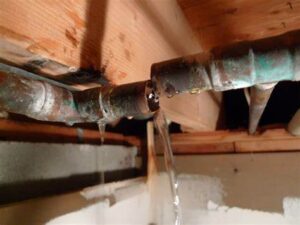 Hidden water leaks are silent cost centers—ruining finishes, driving mold growth, spiking water bills, and eroding your property’s value. You don’t need guesswork; you need precision. This guide explains how HomePro Plumbing and Drains executes non-invasive Leak Detection in San Diego with advanced diagnostics, minimal disruption, and clear reporting you can use for fast approvals and smarter repair decisions.
What “non-invasive” really means
Non-invasive Leak Detection in San Diego uses sensors and controlled tests to locate a failure without ripping out walls or floors. Instead of “open and hope,” you get data-backed answers before any access is cut.
Core tools typically include:
-
Thermal imaging to visualize moisture and temperature anomalies
-
Acoustic listening and correlation to triangulate pressurized line leaks
-
Electronic moisture mapping for objective wet/dry verification
-
Tracer gas testing to pinpoint micro-leaks with high confidence
-
Static and dynamic pressure testing to isolate domestic, irrigation, or hydronic loops
Who benefits most
-
Homeowners noticing stains, buckling floors, or musty odors
-
Property managers who need fast, non-destructive triage
-
Real estate investors protecting capex and timelines
-
Commercial operators who must reduce downtime and demolition
If you’re weighing options for Leak Detection in San Diego, non-invasive methods reduce risk, cycle time, and total restoration cost.
High-confidence symptoms you shouldn’t ignore
-
Water bill spikes without a usage change
-
Warm or cold spots on floors or near walls
-
Reappearing ceiling stains after showers or laundry
-
Continuous meter movement when all fixtures are off
-
Musty smells, peeling paint, or swollen baseboards
Early Leak Detection in San Diego limits secondary damage and cuts the scope of repair.
The HomePro approach: fast clarity, clean execution
Below is a typical diagnostic workflow used by HomePro Plumbing and Drains for non-invasive Leak Detection. The steps may be adapted to your structure, materials, and symptoms.
1) Intake and triage
We document the history of the issue, audit fixtures, perform a meter test, and identify likely sources (domestic lines, irrigation, hydronic loops, or drains that mimic supply failures). Clear scoping ensures you’re only paying for necessary tests.
2) Moisture mapping and thermography
Moisture readings and thermal scans establish an objective baseline. These maps confirm where water is present, how it’s migrating, and where it is not—vital for targeting tests and later proving dry-down success.
3) Line isolation with pressure testing
By pressurizing and monitoring distinct systems, we determine which specific loop is compromised. That converts a building-wide mystery into a focused search area.
4) Pinpointing with acoustic correlation or tracer gas
Acoustic sensors “listen” across multiple points to triangulate a pressurized leak. For stubborn, tiny escapes, an inert tracer gas is introduced; a sensitive detector finds the precise egress point, even under slab.
5) Verification and reporting
We re-test to confirm the findings, then deliver photos, readings, and a concise action plan—spot repair, reroute, or sectional replacement. This level of documentation helps accelerate insurance and internal approvals.
Process snapshot
| Stage | Process | What you get |
|---|---|---|
| Intake & Triage | History, meter/fixture checks | Prioritized, efficient test plan |
| Moisture Mapping | Readings + thermal scan | Objective wet/dry map |
| Line Isolation | Static/dynamic pressure tests | The exact loop identified |
| Pinpointing | Acoustic correlation / tracer gas | High-confidence leak location |
| Verification | Re-test after isolation | Proof the source is confirmed |
| Action Plan | Repair options and sequencing | Budget-aligned path to resolution |
Why accuracy protects your budget
Every exploratory hole multiplies costs—patching, painting, dust control, equipment rentals, and sometimes temporary lodging. Non-invasive Leak Detection in San Diego keeps exploration minimal, which means cleaner access cuts, fewer surprises, and lower total restoration spend. When the data shows a tight heat bloom under a cabinet toe-kick, for example, you avoid breaking up an entire kitchen floor.
Typical leaks we isolate in San Diego homes and buildings
-
Hot- or cold-water slab leaks in older copper or mixed copper/PEX systems
-
Shower riser and valve body leaks hidden behind tile
-
Recirculation loop pinholes causing warm-floor “mystery” spots
-
Toilet flange seepage that looks like a supply leak
-
Irrigation line breaks saturating exterior planters and adjacent interiors
-
Condensate and appliance drain overflows that mimic plumbing failures
For each, the advantage of non-invasive Leak Detection in San Diego is straightforward: find the source precisely, open only where required, fix once.
Repair strategy: spot repair vs. reroute
Once pinpointed, you’ll choose between:
-
Spot repair for isolated failures with good surrounding pipe integrity
-
Short reroute when age, corrosion, or water chemistry suggests repeat leaks if you patch in place
-
Sectional replacement for risky runs through slabs or densely finished areas
Data from non-invasive Leak Detection in San Diego gives you confidence to invest where it pays back over the next decade, not just today.
Documentation that moves approvals forward
Insurers and asset managers need defensible proof: source, duration, moisture extent, and why the proposed fix is necessary. Our deliverables—photos, moisture maps, pressure logs, and precise locations—streamline claim decisions tied to Leak Detection in San Diego and often reduce adjuster back-and-forth.
Time and cost variables (what really drives them)
-
Construction type (slab-on-grade vs. raised foundation, multi-story)
-
Finish complexity (stone, hardwood, custom tile)
-
Access constraints (built-ins, HOA rules, commercial hours)
-
Number of suspect zones or systems to isolate
-
Need for tracer gas vs. acoustic alone
-
Dry-down requirements after the repair
You’ll receive a clear estimate aligned to necessary steps only. Non-invasive Leak Detection in San Diego prevents scope creep by shrinking uncertainty up front.
Real-world scenarios
Second-story bath “halo” stain
A ceiling stain reappears every few weeks. Moisture mapping shows a ring pattern, not a linear run. Hot side pressure loss plus acoustic confirmation indicates a pinhole in the riser behind tile. Minimal tile access, small copper repair, documented dry-down—classic non-invasive Leak Detection in San Diego.
Warm-tile kitchen mystery
A persistent warm spot near the sink suggests a recirculation leak. Thermography shows a tight heat bloom. Tracer gas narrows the breach to a foot-wide zone; a short overhead reroute outruns future pinholes. That is why homeowners look for the best leak detection company first.
Irrigation to interior migration
A soaked planter bed keeps wetting an interior wall. Zone isolation shows loss on Zone 3; acoustic and gas detection place the break near the footing. Exterior repair stops interior damage—no interior demo. Another non-invasive Leak Detection in San Diego win.
Prevent the next leak before it starts
-
Keep water pressure in spec; install/verify a pressure-reducing valve
-
Add thermal expansion control on closed systems
-
Replace aging rubber supply lines with braided stainless
-
Inspect recirculation loops for hot-spot risk
-
Consider smart flow monitoring on mains and irrigation
-
Maintain roof, window, and exterior seals to avoid look-alike moisture issues
Proactive upkeep costs far less than structural and mold remediation—and it complements the certainty you get from professional Leak Detection in San Diego.
Why choose HomePro Plumbing and Drains
Results over buzzwords. You get calibrated equipment, a standardized workflow, transparent pricing, and reports that stand up to scrutiny. Homeowners and property managers consistently regard HomePro Plumbing and Drains as the best leak detection company when accuracy and minimal disruption are non-negotiable. If you want non-invasive Leak Detection in San Diego done right, this is your go-to team.
FAQs: Non-Invasive Leak Detection in San Diego
How do I know it’s time to call?
Will you have to open walls or floors?
How long does diagnosis take?
Can you help with insurance?
What if the leak is under a slab?
Do you also handle repairs?
Why HomePro over others?
Quick decision framework
-
Scope clarity: Do we know which loop is failing?
-
Location certainty: Is the target zone narrowed to a small footprint?
-
Repair choice: Spot repair, reroute, or sectional replacement—what best prevents recurrence?
-
Total cost lens: Are we accounting for demolition, patch/paint, dry-down, and downtime—not just the repair?
-
Documentation: Will this pass insurer and property-manager scrutiny?
When each answer is “yes,” you’re executing Leak Detection in San Diego the right way.
Schedule Your Leak Detection in San Diego Today!
Stop the damage, not just the symptoms. For precise, non-invasive Leak Detection in San Diego—with reporting that speeds approvals and repairs that respect your finishes—contact HomePro Plumbing and Drains today.
Related Posts

Leaking Pipe San Diego: 7 Expert Steps to Find and Fix the Source Fast
Leaking Pipe San Diego If you've discovered a leaking pipe San Diego, you're not alone.…

Gas Line Repair San Diego: How Much Does It Cost to Fix a Gas Leak?
Gas line repair San Diego is a critical service that homeowners should never ignore. If…